Social Media and Dart Betting: When Community Shapes the Market

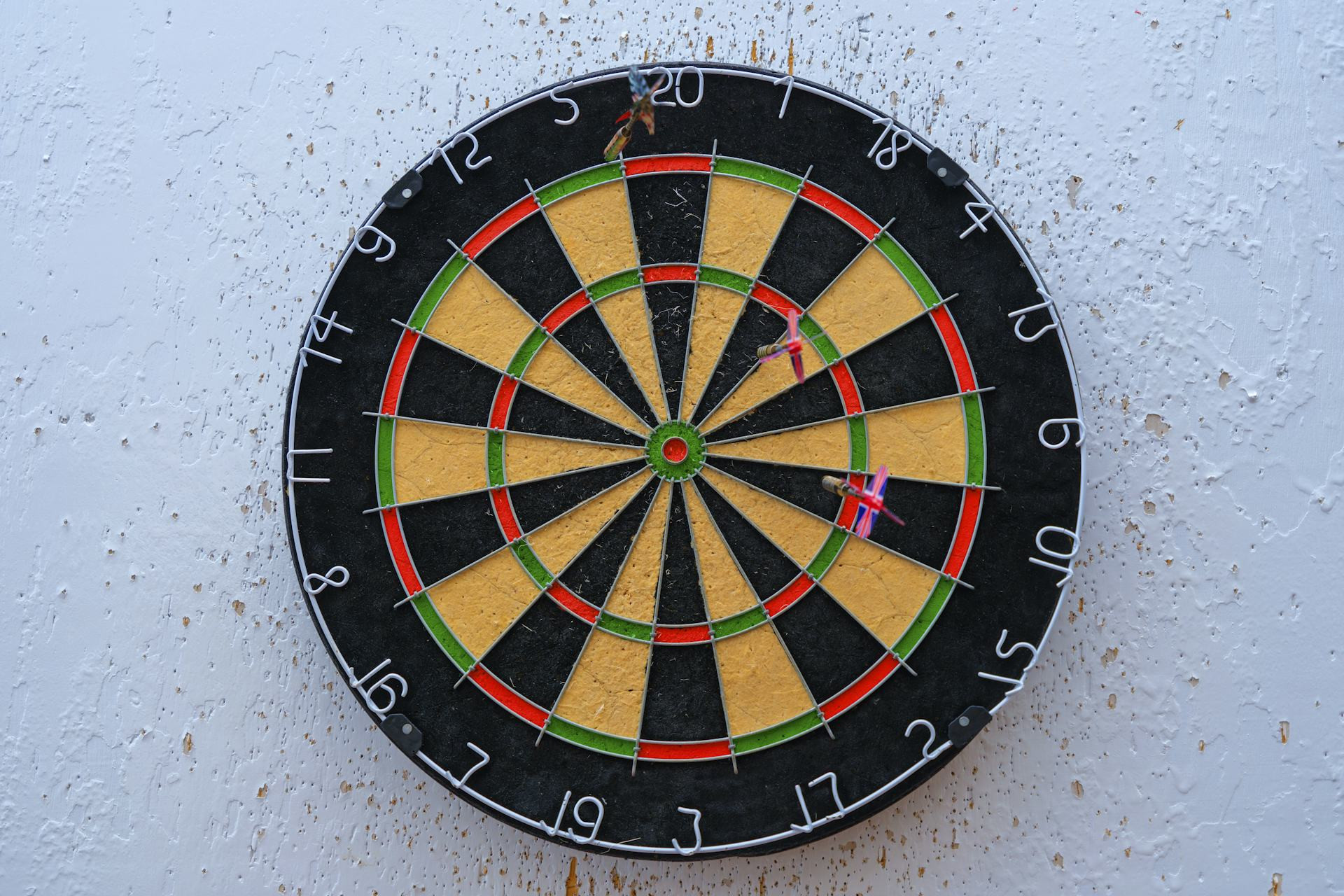
Social Media and Dart Betting: When Community Shapes the Market
For decades, darts was a pub sport with a loyal but modest following. Today, it’s a global spectacle watched by millions, with fans connecting through social media platforms that bring the game to life in real time. Alongside this surge in popularity, dart betting has grown rapidly — and much of that growth can be traced to the online communities that unite fans, players, and betting operators. But how exactly do social media shape dart betting, and what does that mean for the market and the people who make it thrive?
From Niche Hobby to Digital Network
A decade ago, betting on darts was a niche pastime, mostly confined to dedicated fans who followed the sport closely. Now, it’s part of a much broader digital culture. On platforms like X (formerly Twitter), Reddit, and Facebook, Canadian fans share predictions, odds, and live reactions as matches unfold. Discussions about player form, tournament trends, and betting strategies happen in real time, creating a sense of immediacy and connection that mirrors the energy of esports communities.
This shift has made dart betting more accessible. Newcomers can learn from experienced bettors, while bookmakers gain direct insight into what fans are talking about. The result is a more dynamic market, where trends can rise and fade within hours — driven as much by online chatter as by player performance.
Influencers and Experts: The New Voices of the Game
One of the most striking developments is the rise of dart influencers — personalities who blend sports enthusiasm with betting expertise. They post analyses, share predictions, and discuss strategies with thousands of followers. Their opinions can even influence how odds move, especially when their content goes viral.
This democratization of expertise has both benefits and risks. On one hand, it makes the sport more engaging and interactive. On the other, it can lead to herd behaviour, where many bettors follow the same tips without critical thought. That’s why responsible communication — from influencers, bookmakers, and fans alike — is essential to maintaining a healthy betting culture.
The Power of Community — and the Risk of Echo Chambers
Social media have turned dart betting into a social experience. It’s not just about winning money; it’s about belonging. Fans celebrate 180s together, share frustrations over missed doubles, and rally around their favourite players. The sense of camaraderie that once lived in pubs and local leagues now thrives online, connecting fans from Vancouver to Halifax.
Yet, the same sense of community can also create echo chambers. When everyone shares the same expectations or betting strategies, optimism can turn into overconfidence — and riskier behaviour. Encouraging open discussion, diverse opinions, and awareness of responsible gambling is key to keeping the community balanced and sustainable.
Data, Algorithms, and Emerging Opportunities
Betting companies and analytics platforms increasingly use social media data to understand the market. By tracking hashtags, sentiment, and engagement, they can predict which matches will attract the most attention and adjust odds accordingly. This makes the market more responsive but also more unpredictable for individual bettors.
At the same time, technology has introduced new ways to engage. Live betting, micro-wagers, and gamified features make the experience more immersive — but they also demand greater awareness of limits. Here, social media can play a positive role by promoting responsible gambling tools and encouraging open dialogue about healthy betting habits.
Læs også:
When Community Becomes the Driving Force
Ultimately, dart betting on social media is about more than odds and payouts. It’s about identity, belonging, and shared passion. The community around darts has moved from the pub to the digital arena, but the spirit remains the same: the thrill of competition, the joy of the game, and the connection among fans.
The future of dart betting will depend on how this community evolves. If social media continue to foster dialogue, insight, and responsibility, they can become a positive force that strengthens both the sport and its supporters. But that future requires everyone — from bettors to operators — to take part in shaping a community that values both excitement and integrity.
Læs også: