The Role of Aerodynamics: How Small Adjustments Change the Pace of the Race

The Role of Aerodynamics: How Small Adjustments Change the Pace of the Race
When watching a Formula 1 race, it’s easy to think that victory depends solely on engine power and driver skill. But behind the roar of the engines and the split-second overtakes lies a science that often determines who crosses the finish line first: aerodynamics. Tiny changes to wings, air intakes, and body shape can make the difference between triumph and defeat. In motorsport, the air itself becomes a battleground.
The Invisible Force of Air
Aerodynamics is the study of how air moves around a car. At speeds exceeding 300 km/h, air becomes a tangible opponent—one that can both slow the car down and keep it glued to the track. The goal is to find the perfect balance between downforce—the pressure that pushes the car toward the asphalt—and drag, the resistance that limits top speed.
Too much downforce gives excellent grip in corners but sacrifices speed on straights. Too little downforce makes the car fast on the straights but unstable in turns. Engineers spend countless hours in wind tunnels and on computer simulations to find the ideal compromise for each circuit.
Small Adjustments, Big Consequences
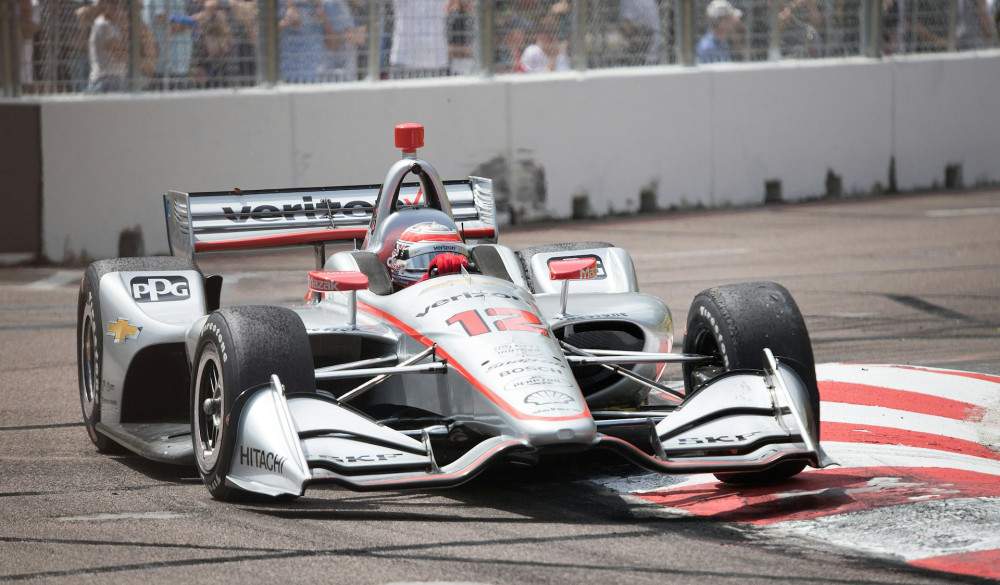
A change of just a few millimetres in the front wing’s angle can dramatically alter the car’s balance. That might give the driver more grip on the front tires—or cause the rear to slide through corners. Aerodynamic adjustments are therefore a crucial part of race strategy.
On high-speed tracks like Monza, teams reduce downforce to minimize drag. On technical circuits such as Monaco, they do the opposite, maximizing stability through tight corners. Every race is a balancing act between speed and control.
Aerodynamics and Tires: A Close Relationship
Aerodynamics doesn’t just affect speed—it also influences how the tires behave. When a car is pressed harder against the track, grip increases, but so does tire wear. A car with too much downforce may burn through its tires faster, forcing extra pit stops that can cost valuable time.
That’s why engineers work closely with tire suppliers to find the right balance. A car that’s aerodynamically efficient can maintain a steady pace longer, gaining a strategic edge over competitors.
Data, Simulations, and Real-World Conditions
Modern motorsport is a battle of data. Each team collects millions of data points during testing and races—on air pressure, temperature, wing angles, and turbulence. These numbers feed simulations that predict how even the smallest changes will affect performance.
But the real world still has surprises. Wind direction, track temperature, and even a car’s position behind a rival can dramatically alter airflow. That’s why driver feedback remains essential. No computer can fully replicate the instinctive feel an experienced driver has for the car’s balance.
When Aerodynamics Decides the Race
History is full of examples where aerodynamic innovation changed the sport. From the introduction of rear wings in the 1960s to today’s complex floor designs and DRS (Drag Reduction System) mechanisms that temporarily reduce drag for overtaking, aerodynamics has continually redefined racing.
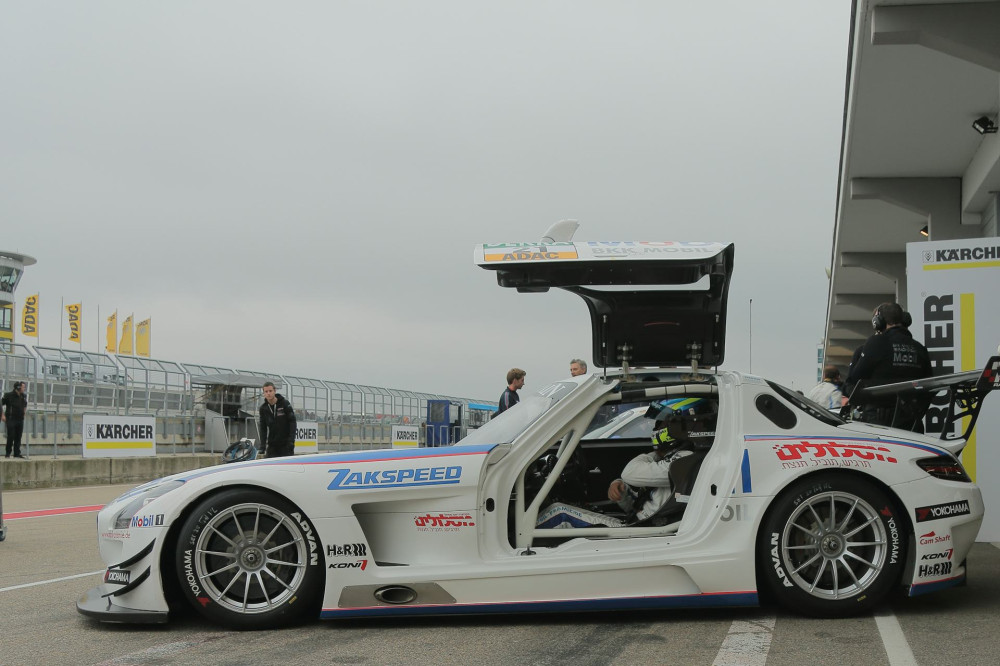
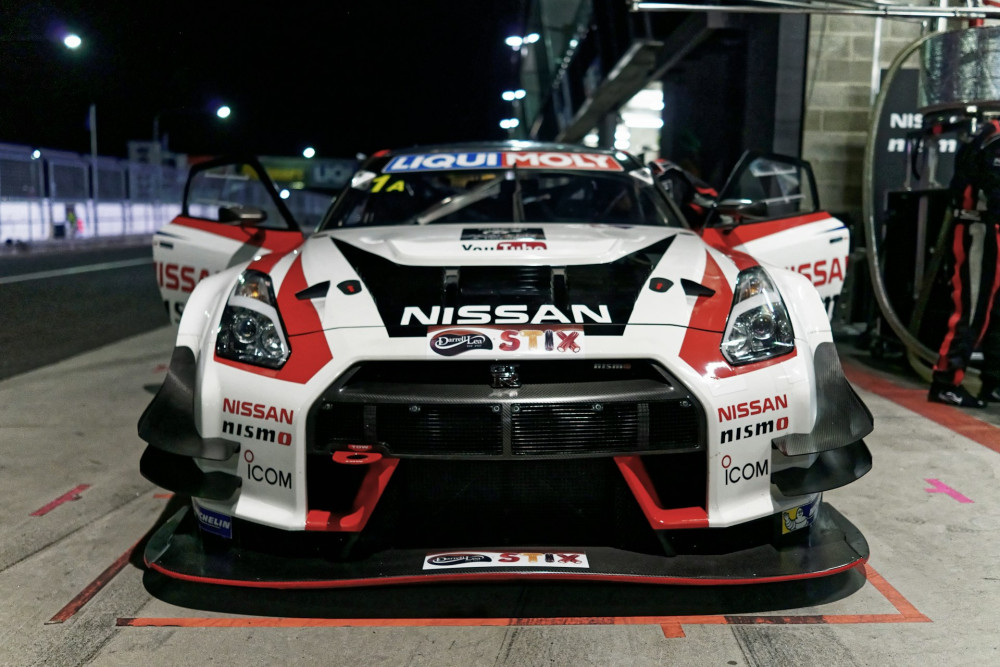
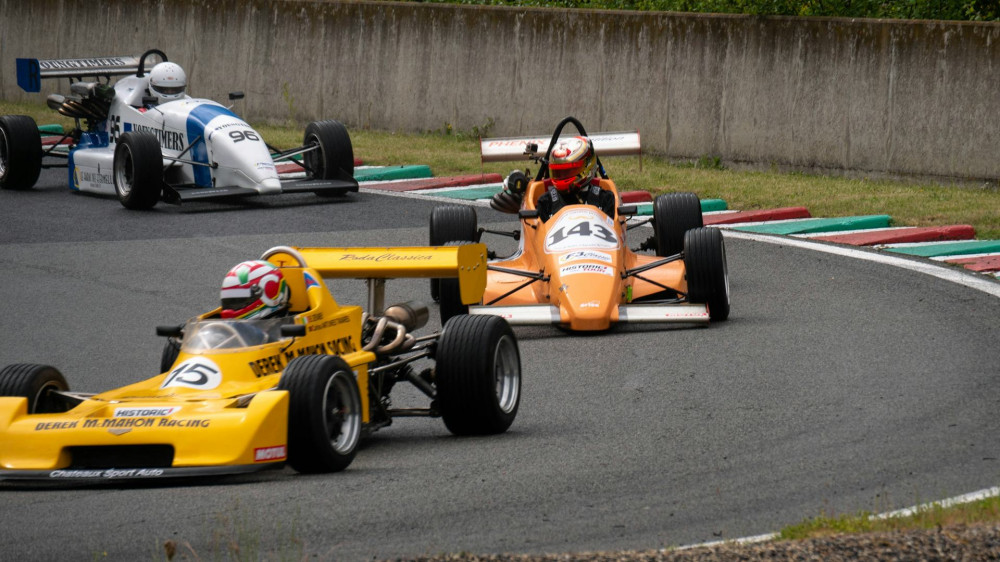
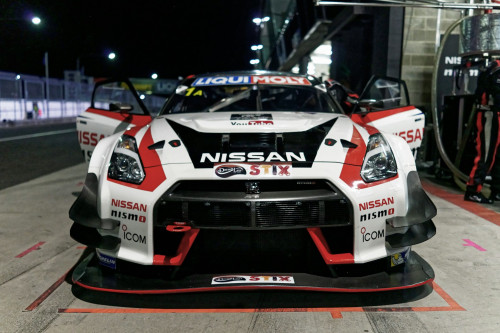
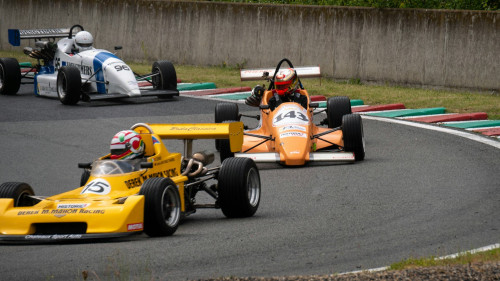
Even in smaller series like Formula 2 or endurance racing, aerodynamics plays a decisive role. A team that understands how to harness airflow more effectively can gain seconds per lap—without adding a single horsepower.
Aerodynamics and the Canadian Connection
Canada’s motorsport fans know the importance of aerodynamics firsthand. The Circuit Gilles Villeneuve in Montreal, with its long straights and tight chicanes, demands a delicate aerodynamic setup. Teams must strike a fine balance between low drag for speed and enough downforce for stability through the corners. The unpredictable weather—cool mornings, warm afternoons, and occasional rain—adds another layer of complexity, making aerodynamic adaptability key to success.
Læs også:
The Art of Air—and the Soul of Racing
At its core, aerodynamics is the art of shaping air. It’s where physics meets intuition, and where engineering precision merges with driver courage. When everything aligns—when the car slices through the air with minimal resistance and maximum stability—the result is pure harmony. And in that moment, the pace of the race truly changes.
Læs også: