Tournament Format: Why Length Affects the Likelihood of Upsets


Tournament Format: Why Length Affects the Likelihood of Upsets
When we talk about sports tournaments—whether it’s hockey, tennis, or curling—the format is more than just a logistical choice. It’s a key factor in determining how often we see upsets. A short tournament can open the door for surprises, while a long, grueling format almost always favours the strongest competitors. But why is that, and how exactly does the length of a tournament influence the chances of an underdog going all the way?
The Numbers Behind the Surprises
Sports are built on probabilities. If one team or player is stronger than another, they’ll win more often on average—but not every time. In a single game, luck, momentum, and small margins can make all the difference. The fewer games that are played, the greater the chance that randomness will play a decisive role.
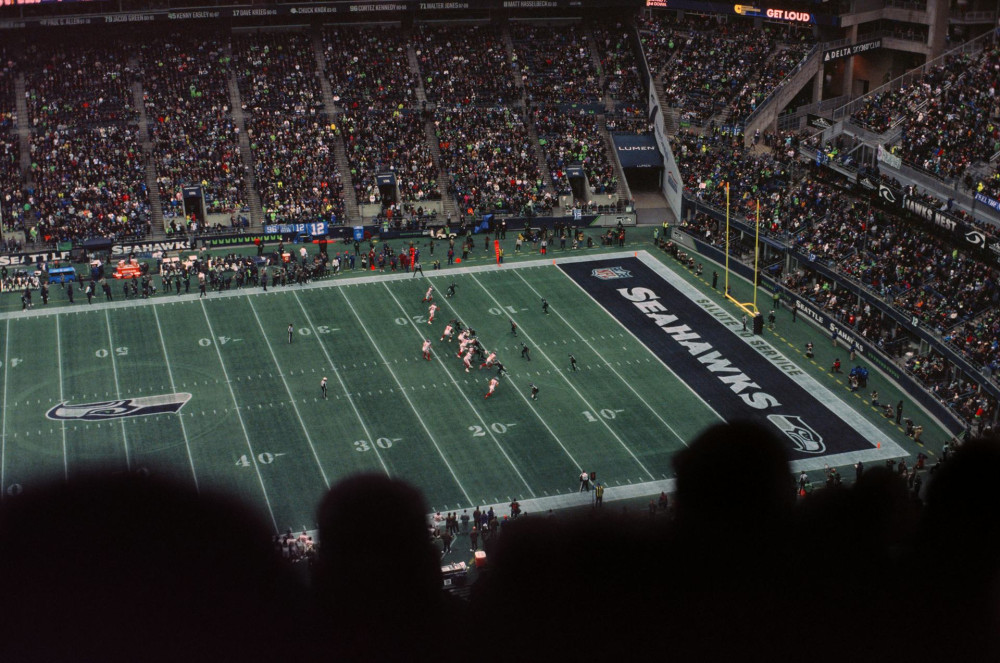
That’s why single-elimination tournaments often produce shock results. In contrast, long league seasons—like the NHL’s 82-game schedule—tend to reward consistency. Over time, luck evens out, and quality rises to the top.
Tennis as a Case Study: Best of Three or Best of Five?
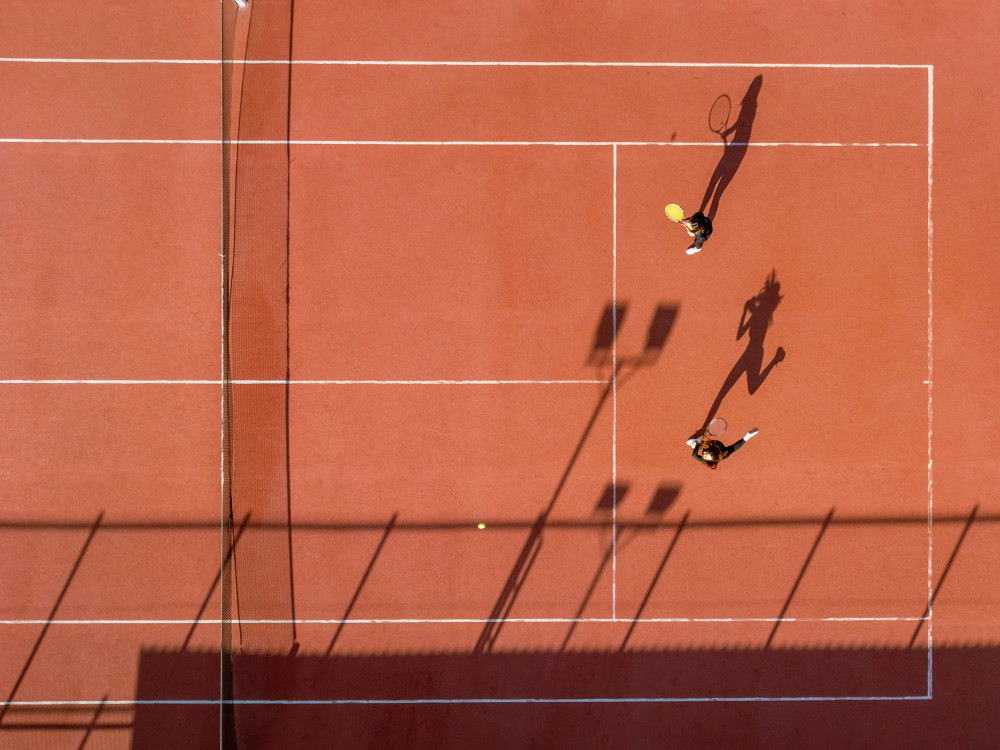
Tennis offers a clear example of how format length affects outcomes. Most tournaments use a best-of-three format, while men’s Grand Slam matches are best-of-five. That means a player must win three sets to advance, making it much harder for a lower-ranked opponent to pull off an upset.
Statistically, the longer the match, the lower the chance that an underdog will win. A favourite who starts slowly can recover over five sets, while in a shorter match, a single hot streak or a few lucky points can flip the result entirely.
Tournament Structures: Knockout, Round Robin, and League Play
Beyond match length, the overall structure of a tournament matters. In a knockout format, one loss means elimination—there’s no room for error. That increases drama and the likelihood of surprises. In a round-robin or league format, where teams face each other multiple times, results tend to stabilize, and the best performers usually prevail.
That’s why sports like tennis and golf, which rely heavily on knockout formats, often produce unexpected semifinalists or finalists. Meanwhile, in leagues like the CFL or NHL, where teams play long schedules, the standings rarely lie. The format itself shapes the balance between unpredictability and fairness.
Endurance and the Mental Game
Tournament length doesn’t just affect probabilities—it also tests endurance and psychology. In a short event, a player or team can ride a wave of momentum and confidence. In a long tournament, success demands stamina, focus, and the ability to handle pressure over time.
Favourites often have the experience and composure to stay consistent, while less experienced competitors may struggle as fatigue and expectations build. That’s why upsets are more common early in tournaments but rare in the final stages.
Læs også:



What It Means for Analysis and Prediction
For fans, analysts, and even bettors, understanding the impact of format is crucial. A short tournament or best-of-three setup increases volatility—and with it, the potential for unexpected results. Longer formats, on the other hand, statistically favour the favourites.
It’s not just about assessing skill or form; it’s about understanding the context. A team that starts strong might thrive in a short playoff series, while one built on depth and resilience is better suited to a long campaign.
Conclusion: Format Shapes the Drama
Tournament length and structure aren’t just administrative details—they’re central to how sports drama unfolds. Short formats create unpredictability and the thrill of the unexpected, while long formats reward consistency and excellence.
For fans, that balance is what makes sports compelling: the chance to witness both the improbable upset and the inevitable triumph. For players and analysts, recognizing how format influences outcomes can be the difference between success and disappointment—on the ice, on the court, or in the predictions we make.
Læs også: