What Does It Mean to Win? Professionals vs. Hobby Racers in Horse Racing

What Does It Mean to Win? Professionals vs. Hobby Racers in Horse Racing
Winning in horse racing can mean many things – and the answer depends on who you ask. For some, it’s about the thrill of seeing their chosen horse cross the finish line first, the rush of excitement, and the shared cheers from the crowd. For others, it’s a matter of precision, analysis, and discipline – a long-term pursuit where success is measured not by a single race, but by consistent results over time. The difference between professionals and hobby racers lies not only in the size of their bets or the horses they back, but in their entire approach to the sport.
Two Worlds on the Same Track
On the surface, professionals and hobby racers share the same passion: a love for horses, the excitement of competition, and the hope of victory. Yet behind the scenes, their motivations and methods differ greatly.
The hobby racer often participates for the experience. It’s about enjoying a day at the track, supporting a local trainer, or simply feeling part of the action. The focus is on fun and community rather than profit. Many hobbyists make their picks based on intuition, favourite colours, or a horse’s name that just feels lucky.
The professional, on the other hand, treats horse racing as both a science and a business. Every decision is informed by data – past performances, track conditions, jockey statistics, and even weather forecasts. The goal isn’t to win every race, but to build a sustainable edge over time. For professionals, emotion takes a back seat to strategy.
Preparation: From Instinct to Analysis
The difference in mindset becomes clear long before the horses line up at the gate. While a hobby racer might glance at the race card over morning coffee, a professional could spend hours – even days – studying form charts, sectional times, and betting trends.
Professional bettors and trainers often maintain detailed databases, tracking how horses perform under different conditions and how jockeys adapt to various tracks. They look for patterns others might miss, turning information into opportunity. Intuition still plays a role, but it’s guided by experience and evidence.
Hobby racers, by contrast, tend to embrace spontaneity. They might choose a horse because it “looks strong in the paddock” or because they’ve had luck with that trainer before. It’s a more emotional, less structured approach – and for many, that’s exactly what makes the sport enjoyable.
Risk and Reward
Another key difference lies in how each group views risk. Professionals think in terms of probability and value. They know that even the best analysis can’t guarantee a win, and that losses are part of the process. Their focus is on finding situations where the odds are in their favour over the long run – even if that means losing more often than they win.
Hobby racers, on the other hand, tend to focus on the moment. A single big win can feel like a triumph, while a loss is quickly forgotten. For professionals, it’s the opposite: one loss doesn’t matter if the overall strategy is sound. They think more like investors than gamblers.
The Psychology of Winning
Winning isn’t just about numbers – it’s also about mindset. Professionals work hard to manage their emotions. They understand that excitement after a win or frustration after a loss can cloud judgment. Many follow strict routines and rules to stay disciplined, ensuring that decisions are based on logic rather than impulse.
Hobby racers often play with their hearts. The emotional highs and lows are part of the fun – the joy of a surprise win, the disappointment of a near miss. For many, that emotional rollercoaster is what makes horse racing so captivating.
Shared Passion, Different Goals
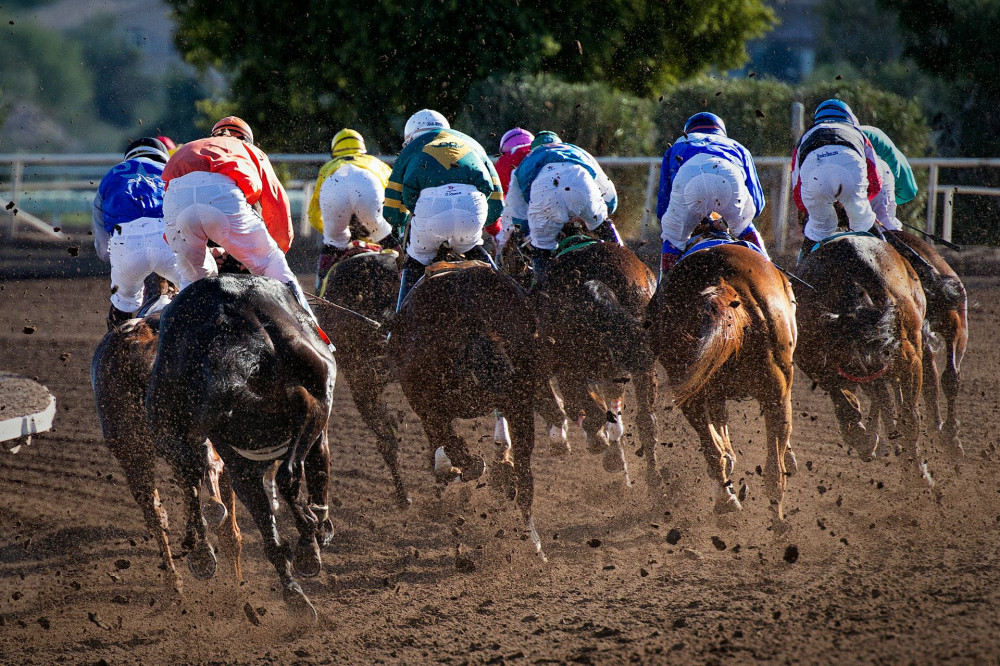
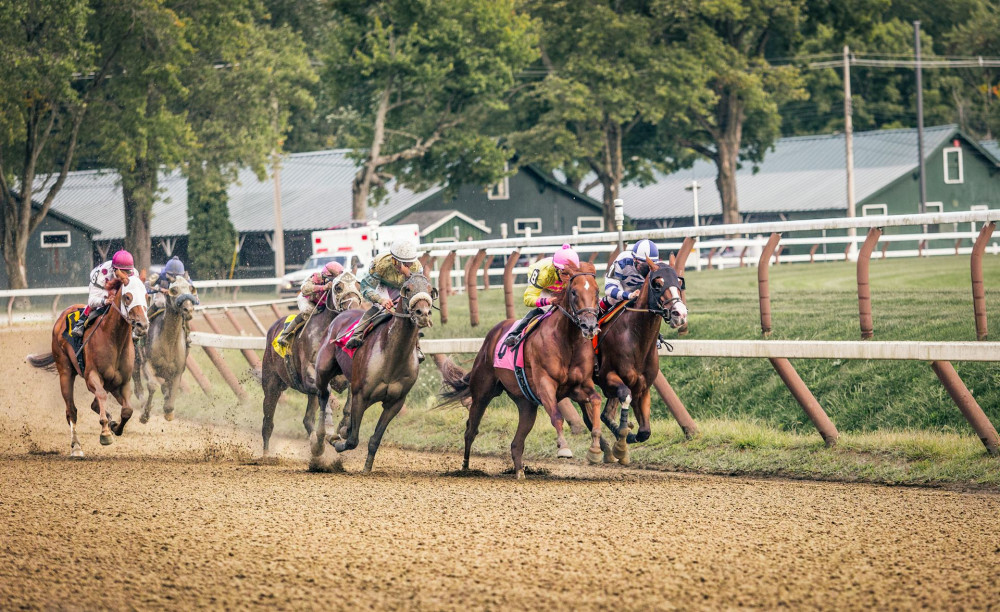
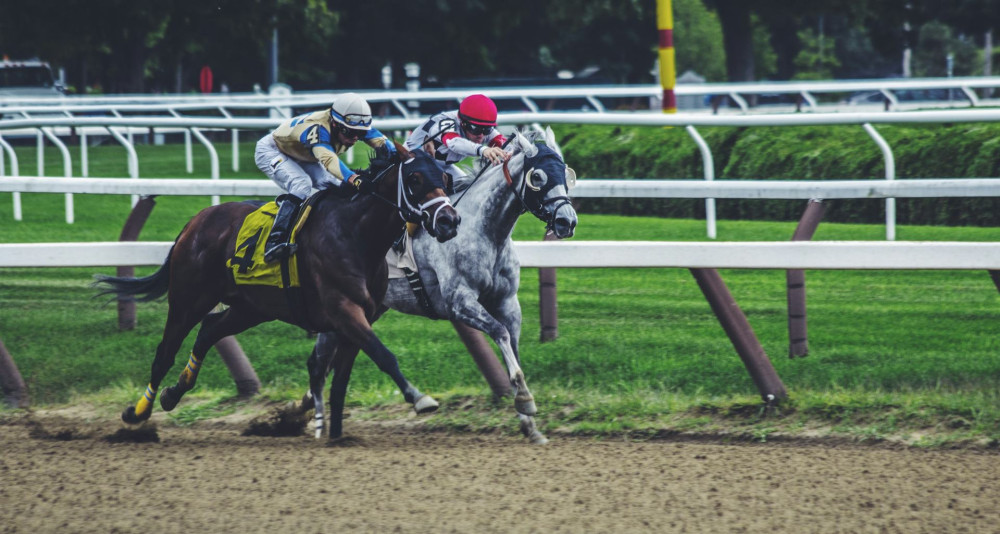
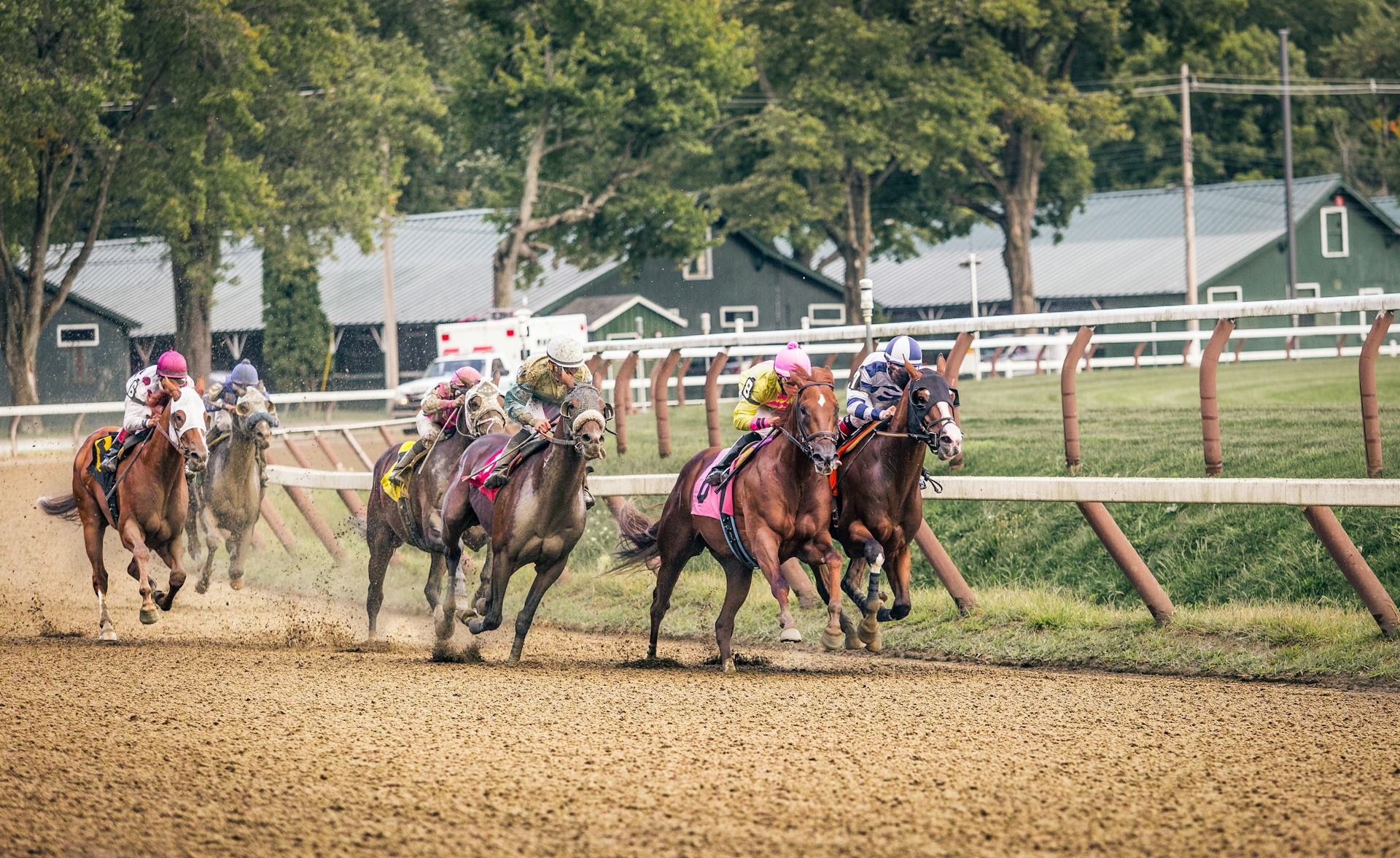
Despite their differences, professionals and hobby racers are united by a shared love of the sport. The thunder of hooves, the tension of the final stretch, and the collective gasp of the crowd are experiences that transcend skill level or intent.
For the hobby racer, winning often means enjoying the day – a lucky ticket, a good story, a memory shared with friends. For the professional, winning is about consistency, discipline, and the satisfaction of mastering a complex system.
Læs også:
So, What Does It Mean to Win?
Ultimately, winning in horse racing depends on what you’re looking for. For some, it’s the thrill of the moment and the camaraderie of the track. For others, it’s the intellectual challenge of turning knowledge into success. Both perspectives are valid – and both reflect a deep respect for the horses, the sport, and the pursuit of excellence.
Perhaps the greatest victory isn’t measured in dollars or trophies, but in understanding the game itself – finding joy in the process, balance in the challenge, and passion in every race.
Læs også: